Furniture Movers in London, Ontario: Protecting Your Heaviest and Most Fragile Pieces

Professional furniture movers in London, Ontario bring far more than muscle to your move. They protect your belongings through specialized wrapping, careful disassembly, proper lifting technique, and strategic loading. This expertise prevents damage that would cost thousands to repair or replace.

PROTECTING YOUR FURNITURE WITH PROPER WRAPPING AND MATERIALS

Moving blankets and shrink wrap aren’t just about covering things. Professional movers use multiple layers of protection designed for different surfaces. Soft blankets protect wood finishes and upholstery. Shrink wrap secures items together and shields against dust and moisture during transit. Padding goes around corners and hard edges where damage happens fastest. This combination prevents dents, scratches, and water damage when your belongings travel from London, Ontario to your new home.

DISASSEMBLY AND REASSEMBLY DONE RIGHT

Many pieces arrive damaged because movers try to squeeze them through doorways without taking them apart. Professional furniture movers London, Ontario carefully disassemble beds, tables, sectional sofas, and shelving units. They photograph each step so reassembly is accurate. Hardware gets labeled and stored safely. This approach takes more time upfront but saves your furniture from structural damage. Everything functions properly at your new location instead of arriving broken.

HANDLING GLASS TOPS AND MIRRORS SAFELY

Glass surfaces crack when they shift during transport. Movers secure glass table tops separately from bases using specialized crating. Mirrors get wrapped with corner protection and secured vertically in the truck. These pieces are loaded last and secured to prevent sliding. This specific handling keeps your glass intact and prevents injury from broken pieces on your new property.

PROTECTING ANTIQUES AND HEIRLOOMS

Antiques need different care than standard furniture. Professional movers know that old wood reacts differently to temperature and humidity changes. They handle antiques in ways that preserve the value and integrity of items passed down through your family. Delicate joinery gets extra padding. No harsh chemicals or modern moving tape touch vintage pieces. Your heirlooms arrive in the same condition as when the movers picked them up.

MOVING PIANOS AND SAFES

Pianos weigh over a thousand pounds and contain thousands of moving parts inside. Moving a piano requires a specialized dolly, protective equipment, and multiple trained people working together. Professional movers navigate stairs and tight corners without damaging the instrument or your home. Safes present a different challenge, but the principle is the same. Moving heavy specialty items safely requires specialized knowledge and equipment that standard movers don’t possess.

APPLIANCES, WATER LINES, AND CONNECTIONS

Moving refrigerators and washing machines seems straightforward until water damage occurs during transport. Professional movers drain water lines before moving appliances. They cap off connections to prevent leaks inside your truck and at your destination. Gas appliances are handled according to safety codes. Refrigerators are transported upright to protect the compressor. This attention prevents costly water damage and equipment failure that could cost more than your entire move.

LIFTING TECHNIQUE, DOLLIES, AND STRAPS

Back injuries happen when people try to lift items the wrong way. Professional furniture movers use proper body mechanics every time. They know when an item needs a dolly rather than being carried by hand. Furniture dollies have soft wheels that protect your floors. Straps distribute weight evenly and prevent items from shifting during transport. These tools and techniques protect both your belongings and the mover’s safety on the job.

PROTECTING YOUR FLOORS AND DOORFRAMES

Moving scratches come from shifting loads, dragging, and impacts on surfaces. Professional movers lay protective flooring before work starts. Door frames get cushioned padding. Furniture slides on sliders rather than dragging across your wood or tile. This protection preserves your home’s condition and prevents damage repair costs. Some moves generate thousand-dollar repair bills from floor scratches alone.

LOADING ORDER AND TRUCK STRATEGY

The truck isn’t packed randomly. Heavy items go against the cab and low to the ground for stability. Lighter items stack safely on top. Furniture is positioned so it doesn’t shift during transport. Long pieces are angled to fit efficiently. This strategic loading prevents items from tipping, sliding, or landing on fragile pieces. A professional moving company in London, Ontario knows that proper loading protects everything in transit between locations.

SINGLE-ITEM MOVES AND IN-HOME FURNITURE REARRANGEMENT

Not every move involves your entire house. Sometimes you need to move one expensive sofa or rearrange furniture within your home. Professional movers handle single-item moves with the same care as full relocations. In-home moves protect your walls, floors, and other furniture from damage. They use sliders and protective coverings. This service costs far less than replacing damaged pieces or repairing your home afterward.

CHOOSING THE RIGHT MOVERS LONDON ONTARIO

Professional furniture movers bring expertise that prevents expensive damage to your belongings. They understand how different materials respond to movement and transport. They have specialized equipment for delicate and heavy items. They know your home layout matters, and they navigate it carefully to avoid damages.

Brawny Movers is your local choice for professional furniture moving in London, Ontario and the surrounding region. Our team handles everything from standard furniture to pianos and antiques. We protect your belongings with quality materials and trained techniques. Call us at 1-800-974-8641 or visit BrawnyMovers.com to schedule your move. Let professionals protect what matters to you.

ADDRESS

Brawny Movers
185 Ashland Avenue, London, ON, N5W 4E1
Phone: 1-800-974-8641
Electrical Permits and Code Inspections in New Orleans: What Homeowners Need to Know

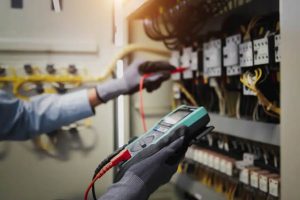
Most residential electrical work in New Orleans requires a permit from your local authority having jurisdiction. Licensed electricians pull permits to ensure work meets code and protects your home’s safety and resale value. Understanding when permits apply, who can obtain them, and what inspections involve helps homeowners avoid costly mistakes.

When You Need an Electrical Permit

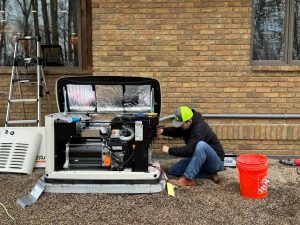
Most new electrical work requires a permit. This includes installing new circuits, upgrading electrical panels, replacing service masts or meter enclosures, installing backup generators or EV chargers, and rewiring rooms or entire houses. Adding outdoor lighting or hardwiring appliances like ranges or water heaters also typically requires a permit.

Like-for-like replacement of fixtures, outlets, switches, and circuit breakers typically doesn’t require a permit. This includes swapping a burned-out outlet for a new one of the same type or replacing a tripped breaker. But rules differ by jurisdiction, so confirm with your local permit office before starting any work.

Why Licensed Contractors Should Pull Your Permit

Only licensed electricians are allowed to pull electrical permits in most jurisdictions. This protects the public because licensed contractors carry liability insurance, maintain continuing education, and answer to a regulatory board for code compliance and professionalism.

When a licensed electrician pulls the permit, the work is tied to their license and their responsibility. If code violations occur, the contractor must fix them at their cost. If you pull a permit yourself, all liability and correction costs fall on you.

Licensed contractors also know local code requirements, what inspectors expect, and how to schedule properly, reducing delays and passing inspection the first time.

The Inspection Process Explained

All permitted electrical work goes through two main inspections: rough-in and final.

Rough-in inspection happens after wiring and electrical boxes are installed but before drywall closes the walls. The inspector checks that all wiring is properly sized, routed, secured, and protected according to code. Walls must stay open until rough-in passes because the inspector needs to see inside the walls and behind boxes. After rough-in approval, you can proceed with drywall installation.

Final inspection occurs after all fixtures, outlets, switches, panels, and breakers are completely installed and the electrical system is ready for use. The inspector verifies everything works safely and meets code. Only after final approval can you energize and use the system.

Service or meter inspections apply if the work involves the main electrical panel.

What Unpermitted Work Can Cost You

Unpermitted electrical work creates serious problems. If discovered during a home sale, mortgage refinance, or insurance claim, you face fines from the authority having jurisdiction. The work may be ordered removed or corrected at your expense.

Insurance claims can be denied entirely if damage involves unpermitted work. When insurers investigate, they discover code violations and refuse to pay, leaving you with unexpected repair costs.

During a home sale, an inspector typically finds unpermitted work. The buyer may refuse to close, demand retroactive permitting and inspection, or negotiate a lower price. Retroactive permitting is sometimes possible but often requires the original contractor, costly inspections, and forced upgrades to meet current code.

The simplest path is obtaining a permit before work begins. It costs far less than fixing violations later.

Historic Districts and Exterior Work Restrictions

New Orleans has historic district and landmark overlay zones with additional electrical requirements. Work on exterior elements such as service masts, meter boxes, and outdoor lighting may require approval from a historic preservation board in addition to standard permits.

These rules protect the visual character of historic neighborhoods. A service mast visible from the street or a relocated meter may need sign-off, and outdoor lighting can face restrictions on color or brightness.

Contact your local permit office to check if your property is in a historic district. Budget extra time for review if it is.

Variations Across Parishes and Municipalities

The New Orleans metro area includes multiple parishes: Orleans Parish, Jefferson Parish, and St. Tammany Parish, plus cities like Metairie, Kenner, and Chalmette. Each has its own authority having jurisdiction for electrical permits and code enforcement.

Permit rules, fees, inspection procedures, and timelines differ by jurisdiction, and code interpretation can vary as well.

Always confirm current requirements with the permit office that serves your address. Rules and fees change periodically. Your ELECTRICIAN can help identify the correct permit authority and ensure the application is filed correctly.

Frequently Asked Questions

Can I do electrical work myself without a permit?

No. Only licensed electricians are allowed to pull electrical permits in most areas. Even if you have experience, you cannot legally pull the permit yourself. Doing electrical work without a permit violates code and creates liability for fines, forced repairs, and insurance claim denial. Hire a licensed electrician to do the work and pull the permit.

How long do electrical permits typically take?

Processing time varies by jurisdiction and project complexity. Simple permits may process in days, while larger projects might take weeks. Requirements and timelines differ across parishes and municipalities. Contact your local permit office to learn their typical timeframe for your work and whether expedited processing is available.

What if I discover unpermitted work in my house?

If unpermitted work was done before you bought the house, contact a licensed electrician to evaluate it. If it doesn’t meet code, hire them to bring it into compliance. Some jurisdictions allow retroactive permitting after inspection and correction. Contact your local permit office to learn your options for addressing the work.

About MK Electric Man

MK Electric Man is a licensed electrical contractor serving the New Orleans metro area, including New Orleans, Chalmette, Metairie, Kenner, Jefferson Parish, and St. Tammany Parish. We specialize in electrical permits and code inspections, panel upgrades, rewiring, safety services, and generator and EV charger installations. 

Whole-Home Generator Installation: Staying Powered Through Storm Season

When hurricane season arrives in New Orleans, the question isn’t if the power will go out—it’s when. A whole-home generator keeps your lights on, refrigerator running, and AC functioning during extended outages. Unlike portable generators, standby generators activate automatically and connect safely to your home’s electrical system through a transfer switch, eliminating the risks of manual setup, extension cords, and dangerous backfeeding.


WHY WHOLE-HOME GENERATORS MATTER FOR NEW ORLEANS HOMEOWNERS

A whole-home generator provides automatic backup power when the utility grid fails, making it essential for families and businesses in storm-prone areas. In New Orleans, where hurricanes, tropical storms, and severe thunderstorms can knock out power for days or weeks, a standby generator isn’t a luxury—it’s practical protection.

During an outage, your home loses refrigeration, climate control, lighting, and medical equipment operation. For elderly residents, families with young children, or anyone dependent on powered medical devices, a sudden loss of power creates real hardship. A whole-home generator restores normal living conditions within seconds of an outage, without any action from you. That peace of mind carries genuine value, especially when storm season is underway.

Preparation matters. Installing a generator before storm season keeps your family safe and comfortable when hurricanes strike.


PORTABLE VS. STANDBY GENERATORS: WHICH IS RIGHT FOR YOUR HOME?

Portable generators cost less upfront and offer flexibility if you move or need occasional backup power. They sit outside, connect via extension cords to specific appliances, and require you to start them manually during an outage. However, they’re louder, produce exhaust, need fuel storage and management, and can’t power your entire home safely.

Standby generators install permanently and connect to your electrical panel through a transfer switch. They run on natural gas or propane, activate automatically within seconds, and require no manual operation. Higher upfront cost and professional installation by a licensed electrician are the main tradeoffs, but reliability during emergencies makes them worth the investment.

For New Orleans storm season, a standby generator offers superior reliability. When a hurricane arrives at 2 AM, you want your generator running automatically—not discovering you’re out of fuel and trying to find a hardware store during an emergency.


THE TRANSFER SWITCH: YOUR HOME’S ELECTRICAL SAFETY GUARDIAN

The transfer switch is the critical safety component that sits between your utility line and electrical panel. It automatically detects power failure and switches your home to generator power within 2-10 seconds, seamlessly keeping your systems running.


Critically, the transfer switch prevents backfeeding—a dangerous condition where generator power flows backward into utility lines. This kills utility workers and damages neighboring homes. A properly installed transfer switch eliminates this risk entirely. This is why only a licensed electrician should install it—the stakes are literally a matter of life and death.


SIZING YOUR GENERATOR: RUNNING EVERYTHING YOU NEED

Generator size matters—too small won’t work, too large wastes money. A licensed electrician performs a load calculation, adding up the wattage of critical circuits and appliances you need.

Essentials typically include the refrigerator, air conditioning, heating, water heater, and lighting. A typical household needs 5,000-7,500 watts for these basics. If you want everything powered simultaneously, budget 10,000 watts or higher. Your Electrician sizes your generator to match your specific home’s requirements.


FUEL OPTIONS: NATURAL GAS VS. PROPANE

Most whole-home generators run on natural gas or propane. Natural gas connects to your existing line, offering unlimited fuel and no manual refueling. Propane uses an on-property tank, remains available if gas lines fail, but requires monitoring and refills. Most New Orleans homes choose natural gas for convenience. Your electrician can recommend which fits your home best.


PROFESSIONAL INSTALLATION AND PERMITS: WHY THIS WORK REQUIRES A LICENSE

Installing a whole-home generator isn’t a DIY project. It requires natural gas or propane connections, 240-volt circuits, and transfer switch programming. One mistake creates fire hazards and electrocution risks.

Louisiana law requires licensed electricians to install generators. Your electrician pulls permits, ensuring local inspectors verify the installation meets code. Permitting also notifies your utility company, preventing backfeeding accidents and ensuring safety during maintenance.


THE DANGER OF IMPROPER DIY HOOKUPS AND BACKFEEDING

Never connect a portable generator to your home’s electrical panel using an extension cord or makeshift connection. This creates backfeeding—generator power flowing backward into utility lines. Utility workers touching those lines get electrocuted. Neighbors’ homes receive dangerously high voltage and burn out equipment.

Backfeeding has killed utility workers. It’s also illegal in New Orleans and throughout Louisiana. The legal and safety stakes are both severe.

A properly installed transfer switch, installed by a licensed electrician, prevents backfeeding entirely. This is the core reason professional installation is essential—not optional.


STAY PREPARED FOR STORM SEASON

New Orleans storm season tests every home’s preparedness. A whole-home generator removes power failure from that equation, keeping your family comfortable and safe when the grid goes down.

Contact MK Electric Man to discuss generator installation, sizing, and fuel options for your New Orleans home. Our licensed electricians handle every aspect—from load calculations to permits to safe installation and testing. Visit www.neworleanselectricians.com to schedule a consultation and ensure your home stays powered through storm season.

7 Hidden Fees in Jet Card Programs (And How to Avoid Them)

Jet card members commonly face unexpected costs beyond headline hourly rates. Research from Jetnet IQ reports that hidden fees can add 15–25% to total trip costs for cards lacking transparent pricing structures. Understanding these seven fee categories helps you compare programs fairly and budget accurately for your aviation needs. Most members discover these fees only on their first detailed invoice, leaving them blindsided by costs that could have been negotiated or anticipated upfront.

Key Takeaways
– Hidden fees can inflate costs by 15–25% beyond advertised rates (Jetnet IQ)
– Peak-day surcharges range from 10–50% of base hourly pricing during high-demand periods
– BitLux includes certain variables in upfront pricing to reduce surprise costs
– Fuel pass-throughs and FET represent controllable expenses when structured transparently

1. Peak-Day Surcharges: When Timing Costs Extra

Peak-day surcharges are percentage markups during holidays and weekends, typically 10–50% above base rates. Many programs don’t specify which dates trigger surcharges upfront. Transparent operators like BitLux publish their peak calendar and exact percentages so you know costs before booking. Some cards layer surcharges on top of fuel escalations, doubling your cost swings during busy travel weeks. Always request the peak calendar in writing before committing to any program.

2. Fuel Component Pass-Throughs: The Volatile Variable

Fuel surcharges swing 20–40% monthly with crude oil prices. Programs pass these changes directly to members or build buffers into hourly rates. A 15% swing on a $10,000 flight costs $1,500 in unpredictable expenses. Fixed-rate programs reduce volatility but may cost slightly more upfront. Variable programs save money during cheap-fuel months but expose you to sudden increases. Check whether fuel locks into quoted rates or adjusts monthly. Request a 12-month fuel history to estimate your exposure before purchasing a jet card membership.

3. Federal Excise Tax (FET): A Percentage You Can’t Avoid

FET is a mandatory 7.5% federal tax on air transport. The controversy isn’t the tax itself—it’s law—but how programs structure it. Some disclose FET separately; others hide it in all-in quotes. When embedded, it becomes invisible until the final invoice. Verify FET applies only to your base hourly rate, not stacked on fuel surcharges or add-ons. A $7,000/hour rate with $200 fuel should pay FET only on $7,000.

4. Ferry and Repositioning Fees: Empty-Leg Costs

Ferry flights position aircraft to your departure city when it’s elsewhere. Repositioning fees typically run $3,000–$8,000 per leg depending on distance. Some programs absorb these deadhead segments; others pass them through. BitLux structures its terms so members understand positioning scenarios upfront. Request sample quotes showing how repositioning costs are handled. Multi-flight itineraries can accumulate significant ferry expenses if aircraft reposition between legs.

5. Short-Leg Minimums: Penalties for Brief Flights

Many programs impose minimum hourly billing floors on short flights. A 2-hour flight might be billed as 3 or 4 hours. Minimums protect operators against per-flight overhead but penalize members flying short regional hops. Some cards have graduated minimums (2 hours for flights under 3 hours; 3 hours for flights under 4 hours). These minimums stack on top of all other fees and surcharges. Understanding this penalty structure is crucial if you take frequent short-haul regional trips.

6. De-Icing Surcharges: Seasonal Add-Ons

De-icing fluid costs operators $500–$1,500 per application depending on aircraft size and fluid type. Some programs charge members for de-icing during winter months; others absorb it into their rates. This fee varies by geography and season, making it difficult to budget. Ask whether de-icing is included year-round or charged separately in winter months. Progressive programs build de-icing into their rates across all seasons, eliminating surprises. Confirm these terms upfront if your charter is based in a winter climate.

7. Recovery and Interchange Fees: Logistics Markups

Recovery fees cover aircraft repositioning after your flight to return to base. Interchange fees apply when you upgrade to a different aircraft than your membership tier entitled you to. These fees range $1,500–$4,000 depending on final positioning distance. Transparent programs, including BitLux, disclose these fees during quoting so you understand total trip cost. Request a detailed fee schedule showing recovery and interchange costs under various scenarios. Always clarify whether recovery is included in your hourly rate or billed separately.

Final Thoughts

Hidden fees don’t have to surprise you. Before signing with any program, request a sample proposal showing all seven fee categories itemized. Compare programs side-by-side using these itemized proposals, not headline hourly rates alone. Transparent operators build their reputation on clear pricing and upfront disclosure of all costs. Your goal is knowing the actual cost per flight, not just the initial rate card.