Electrical Permits and Code Inspections in New Orleans: What Homeowners Need to Know
Most residential electrical work in New Orleans requires a permit from your local authority having jurisdiction. Licensed electricians pull permits to ensure work meets code and protects your home’s safety and resale value. Understanding when permits apply, who can obtain them, and what inspections involve helps homeowners avoid costly mistakes.
When You Need an Electrical Permit
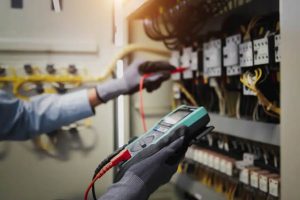 Most new electrical work requires a permit. This includes installing new circuits, upgrading electrical panels, replacing service masts or meter enclosures, installing backup generators or EV chargers, and rewiring rooms or entire houses. Adding outdoor lighting or hardwiring appliances like ranges or water heaters also typically requires a permit.
Like-for-like replacement of fixtures, outlets, switches, and circuit breakers typically doesn’t require a permit. This includes swapping a burned-out outlet for a new one of the same type or replacing a tripped breaker. But rules differ by jurisdiction, so confirm with your local permit office before starting any work.
Why Licensed Contractors Should Pull Your Permit
Only licensed electricians are allowed to pull electrical permits in most jurisdictions. This protects the public because licensed contractors carry liability insurance, maintain continuing education, and answer to a regulatory board for code compliance and professionalism.
When a licensed electrician pulls the permit, the work is tied to their license and their responsibility. If code violations occur, the contractor must fix them at their cost. If you pull a permit yourself, all liability and correction costs fall on you.
Licensed contractors also know local code requirements, what inspectors expect, and how to schedule properly, reducing delays and passing inspection the first time.
The Inspection Process Explained
All permitted electrical work goes through two main inspections: rough-in and final.
Rough-in inspection happens after wiring and electrical boxes are installed but before drywall closes the walls. The inspector checks that all wiring is properly sized, routed, secured, and protected according to code. Walls must stay open until rough-in passes because the inspector needs to see inside the walls and behind boxes. After rough-in approval, you can proceed with drywall installation.
Final inspection occurs after all fixtures, outlets, switches, panels, and breakers are completely installed and the electrical system is ready for use. The inspector verifies everything works safely and meets code. Only after final approval can you energize and use the system.
Service or meter inspections apply if the work involves the main electrical panel.
What Unpermitted Work Can Cost You
Unpermitted electrical work creates serious problems. If discovered during a home sale, mortgage refinance, or insurance claim, you face fines from the authority having jurisdiction. The work may be ordered removed or corrected at your expense.
Insurance claims can be denied entirely if damage involves unpermitted work. When insurers investigate, they discover code violations and refuse to pay, leaving you with unexpected repair costs.
During a home sale, an inspector typically finds unpermitted work. The buyer may refuse to close, demand retroactive permitting and inspection, or negotiate a lower price. Retroactive permitting is sometimes possible but often requires the original contractor, costly inspections, and forced upgrades to meet current code.
The simplest path is obtaining a permit before work begins. It costs far less than fixing violations later.
Historic Districts and Exterior Work Restrictions
New Orleans has historic district and landmark overlay zones with additional electrical requirements. Work on exterior elements such as service masts, meter boxes, and outdoor lighting may require approval from a historic preservation board in addition to standard permits.
These rules protect the visual character of historic neighborhoods. A service mast visible from the street or a relocated meter may need sign-off, and outdoor lighting can face restrictions on color or brightness.
Contact your local permit office to check if your property is in a historic district. Budget extra time for review if it is.
Variations Across Parishes and Municipalities
The New Orleans metro area includes multiple parishes: Orleans Parish, Jefferson Parish, and St. Tammany Parish, plus cities like Metairie, Kenner, and Chalmette. Each has its own authority having jurisdiction for electrical permits and code enforcement.
Permit rules, fees, inspection procedures, and timelines differ by jurisdiction, and code interpretation can vary as well.
Always confirm current requirements with the permit office that serves your address. Rules and fees change periodically. Your ELECTRICIAN can help identify the correct permit authority and ensure the application is filed correctly.
Frequently Asked Questions
Can I do electrical work myself without a permit?
No. Only licensed electricians are allowed to pull electrical permits in most areas. Even if you have experience, you cannot legally pull the permit yourself. Doing electrical work without a permit violates code and creates liability for fines, forced repairs, and insurance claim denial. Hire a licensed electrician to do the work and pull the permit.
How long do electrical permits typically take?
Processing time varies by jurisdiction and project complexity. Simple permits may process in days, while larger projects might take weeks. Requirements and timelines differ across parishes and municipalities. Contact your local permit office to learn their typical timeframe for your work and whether expedited processing is available.
What if I discover unpermitted work in my house?
If unpermitted work was done before you bought the house, contact a licensed electrician to evaluate it. If it doesn’t meet code, hire them to bring it into compliance. Some jurisdictions allow retroactive permitting after inspection and correction. Contact your local permit office to learn your options for addressing the work.
About MK Electric Man
MK Electric Man is a licensed electrical contractor serving the New Orleans metro area, including New Orleans, Chalmette, Metairie, Kenner, Jefferson Parish, and St. Tammany Parish. We specialize in electrical permits and code inspections, panel upgrades, rewiring, safety services, and generator and EV charger installations.
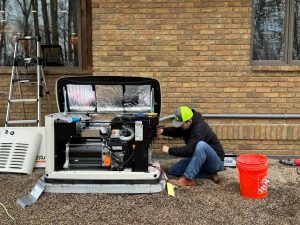 The transfer switch is the critical safety component that sits between your utility line and electrical panel. It automatically detects power failure and switches your home to generator power within 2-10 seconds, seamlessly keeping your systems running.